
9. Neglecting Personal Care
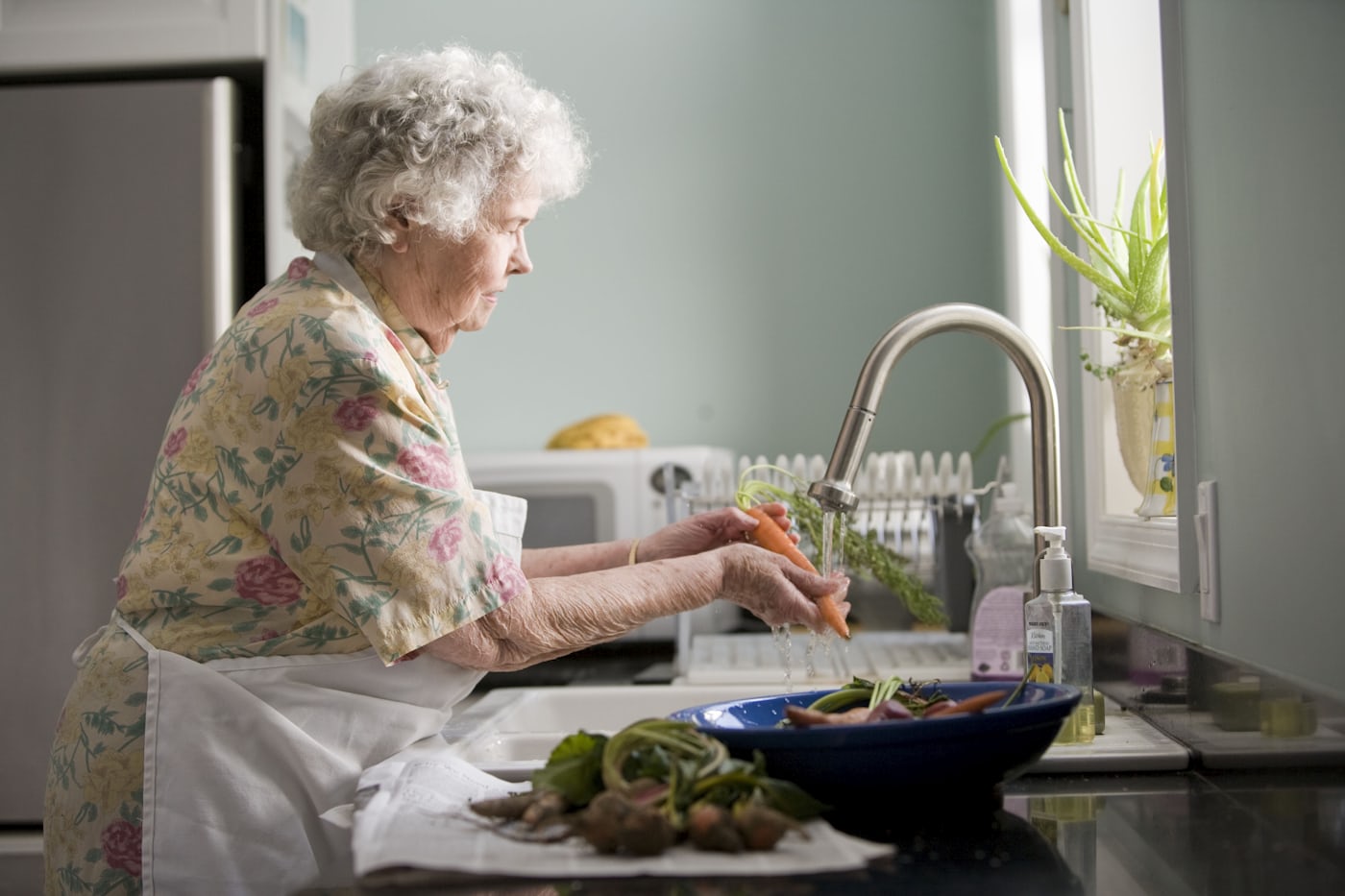
Aging doesn’t mean giving up on self-care. Unfortunately, some people begin paying less attention to personal hygiene, grooming, or healthy routines. This can affect both their well-being and how comfortable others feel around them.
10. Using Age as an Excuse
Growing older is not a free pass for rude, dismissive, or hurtful behavior. Some individuals excuse poor manners by saying, “That’s just how I am at my age.” Respect and kindness remain important at every stage of life.
11. Repeating the Same Stories
Most families have heard certain stories many times before. Occasionally repeating a favorite memory is completely normal, but telling the exact same story repeatedly can test the patience of listeners—especially when it’s presented as if they’ve never heard it before.
12. Refusing to Learn New Things
One of the biggest misconceptions about aging is that learning has an expiration date. Some people convince themselves they’re “too old” to try new hobbies, skills, technologies, or experiences. In reality, staying curious and open-minded is one of the best ways to remain mentally engaged and socially connected.
Growing Older Doesn’t Mean Growing Rigid
Aging doesn’t have to lead to stubbornness, negativity, or disconnection. Small adjustments in attitude and behavior can make a tremendous difference. Remaining curious, adaptable, and considerate helps create stronger relationships and allows later life to be not only more fulfilling for the individual, but also more enjoyable for everyone around them.