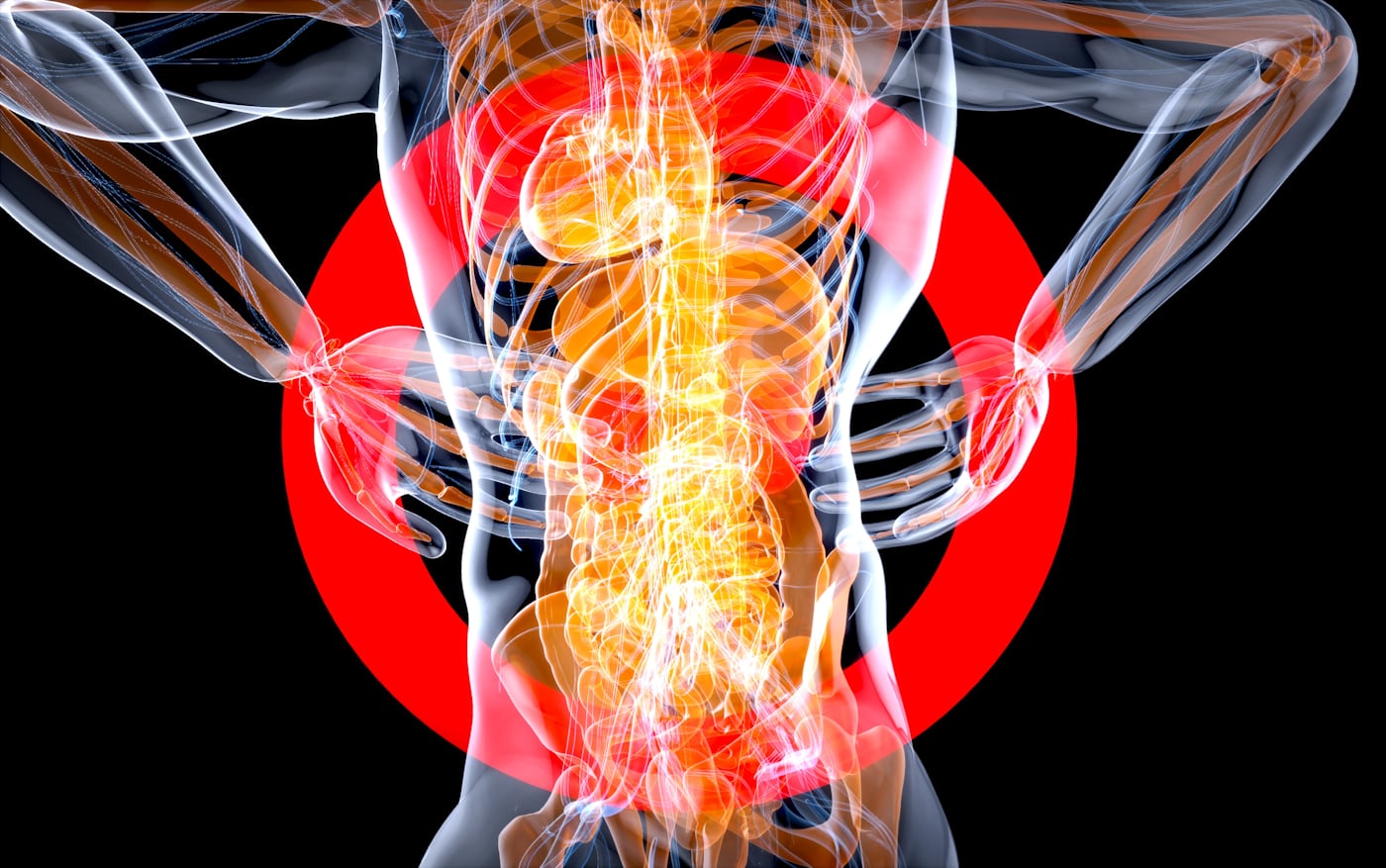
If moisturizers provide little relief and itching continues without an obvious cause, it may be worth discussing kidney function with your doctor
5. High Blood Pressure That Won’t Improve
The connection between blood pressure and kidney health works both ways.
High blood pressure can damage the delicate blood vessels inside the kidneys, while damaged kidneys can make blood pressure harder to control. This creates a cycle in which each condition worsens the other.
People whose blood pressure remains elevated despite medication, exercise, or dietary changes should consider having their kidney function evaluated, particularly if other symptoms are present.
6. Ongoing Sleep Problems
Difficulty sleeping is often dismissed as a normal part of modern life, but it may sometimes be linked to kidney disease.
When kidneys fail to properly remove waste products, toxins can remain in the bloodstream and interfere with sleep quality. Frequent nighttime urination, restless legs, muscle cramps, and sleep apnea are also more common among people with kidney disease.
If sleep problems occur alongside other symptoms on this list, they may point toward a larger issue.
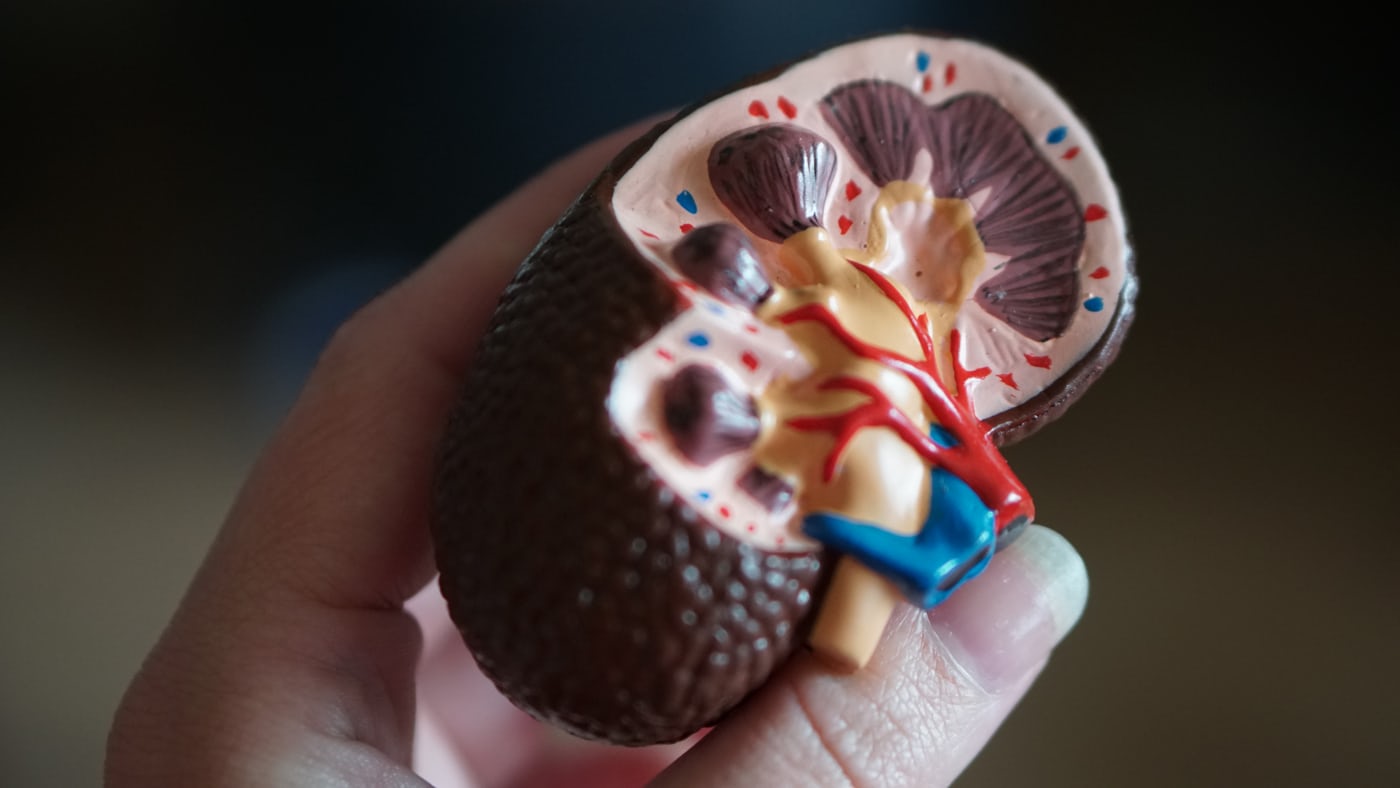
7. Nausea, Appetite Loss, or a Metallic Taste
As kidney disease progresses, waste products can accumulate in the blood, leading to a condition known as
This buildup can trigger nausea, occasional vomiting, reduced appetite, and an unusual metallic taste in the mouth. Many people find that foods they once enjoyed suddenly taste different or unpleasant.
While these symptoms can have many causes, they become more significant when combined with fatigue, swelling, or urinary changes.
8. Frequent Muscle Cramps or Twitching
Recurring muscle cramps may be a sign that your kidneys are having trouble maintaining proper electrolyte balance.
The kidneys help regulate minerals such as potassium, calcium, and phosphorus. When these levels become unbalanced, muscles may begin cramping, twitching, or spasming unexpectedly.
If cramps occur regularly and cannot be explained by dehydration, exercise, or other obvious factors, a medical evaluation may be worthwhile.
How to Support Kidney Health Naturally
Although chronic kidney disease cannot always be reversed, there are several lifestyle habits that may help protect kidney function and reduce the risk of progression.
Reduce Sodium Intake
Too much salt forces the kidneys to work harder and can contribute to high blood pressure. Limiting processed foods, packaged snacks, and fast food is one of the most effective ways to reduce sodium consumption.
Eat More Fruits and Vegetables
Research suggests that a diet rich in plant-based foods can help support healthy blood pressure levels and may slow kidney damage in people already at risk. A variety of fruits and vegetables provides important nutrients while reducing strain on the kidneys.
Stay Physically Active
Regular exercise benefits both kidney health and overall wellbeing. Health experts generally recommend at least 150 minutes of moderate physical activity per week. Walking, swimming, cycling, and other enjoyable activities can all help.
Control Blood Sugar and Blood Pressure
Diabetes and hypertension are among the leading causes of chronic kidney disease. Keeping both under control can significantly reduce the risk of kidney damage over time.