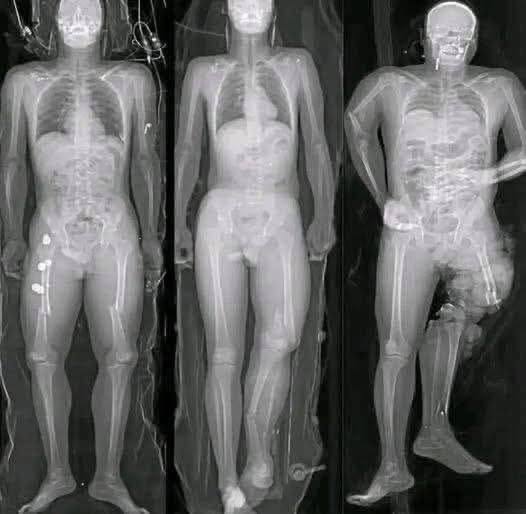
Personal stories are emotionally powerful.
If someone develops cancer after vaccination, the timing may feel meaningful.
Yet timing alone cannot establish a cause-and-effect relationship.
Human beings naturally search for explanations during difficult experiences.
When serious illnesses occur, people often look for recent events that might explain them.
Researchers understand this tendency, which is why scientific conclusions rely on large-scale population data rather than isolated anecdotes.
Individual experiences matter, but they must be interpreted within broader evidence.
What Studies Have Found
Since the rollout of COVID-19 vaccines, scientists have conducted numerous studies examining safety outcomes.
These investigations include:
- Clinical trial data
- Population-level studies
- Post-authorization monitoring
- International surveillance programs
The overall findings remain consistent:
There is no credible evidence that COVID-19 vaccines cause cancer or increase cancer rates in the general population. (Al Jazeera)
Researchers continue studying vaccine effects, but current evidence does not support the alarming claims often found in viral posts.
Why Misinformation Persists
If evidence does not support these claims, why do they continue spreading?
Several factors contribute:
Fear
Health concerns naturally attract attention.
Complexity
Scientific explanations are often more complicated than simple viral claims.
Algorithms
Social media platforms frequently reward emotionally engaging content.
Confirmation Bias
People tend to pay more attention to information that aligns with existing beliefs.
These factors can create an environment where sensational claims travel further than evidence-based reporting.
The Importance of Trusted Sources
Health information is most useful when it comes from organizations that:
- Review scientific evidence
Covid-19
- Publish transparent methodologies
- Update recommendations as new data emerges
- Employ qualified experts
Reliable health guidance generally comes from:
- National cancer organizations
- Public health agencies
- Peer-reviewed medical journals
- Academic research institutions
These organizations evaluate evidence systematically rather than relying on isolated reports or social media trends.
Questions People Should Ask
Whenever encountering a dramatic health headline, consider the following:
Is the claim supported by scientific evidence?
Are reputable organizations reporting the same conclusion?
Does the article cite actual studies?
Have experts in the field reviewed the claim?
Is the headline more dramatic than the evidence itself?
These questions can help separate credible information from speculation.