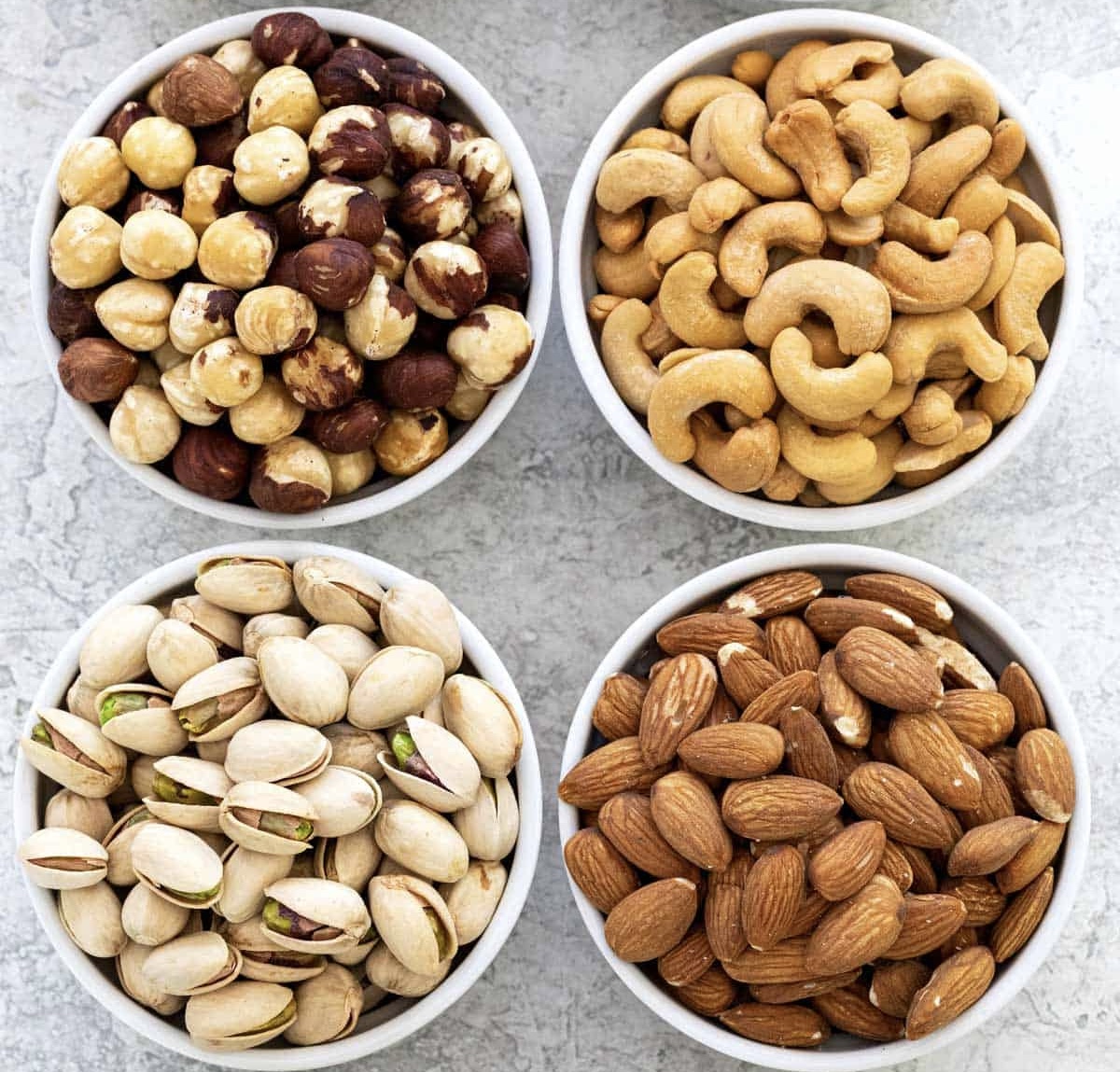
Nuts are often praised as one of the healthiest snacks you can eat, especially when it comes to brain health. From memory support to long-term cognitive protection, they are regularly linked to sharper thinking and healthier ageing.
But the reality is not as simple as “all nuts are good for your brain.” While some varieties are packed with nutrients that nourish brain cells and protect memory, others can become harmful depending on how they are processed, stored, or consumed.
Research increasingly suggests that eating nuts regularly may support cognitive performance and even lower the risk of dementia over time. One review of studies involving older adults found that “regular consumption of nuts may benefit cognitive function and reduce the risk of dementia.” At the same time, scientists warn that benefits depend heavily on portion size, preparation methods, and overall diet quality.
Some nuts provide healthy fats, antioxidants, and anti-inflammatory compounds that help protect the brain. Others may expose the body to mould toxins, excessive sodium, or oxidized oils that can quietly damage blood vessels and increase inflammation. The difference often comes down to the type of nut — and how it reaches your plate