Pecans and Their Antioxidant Advantage
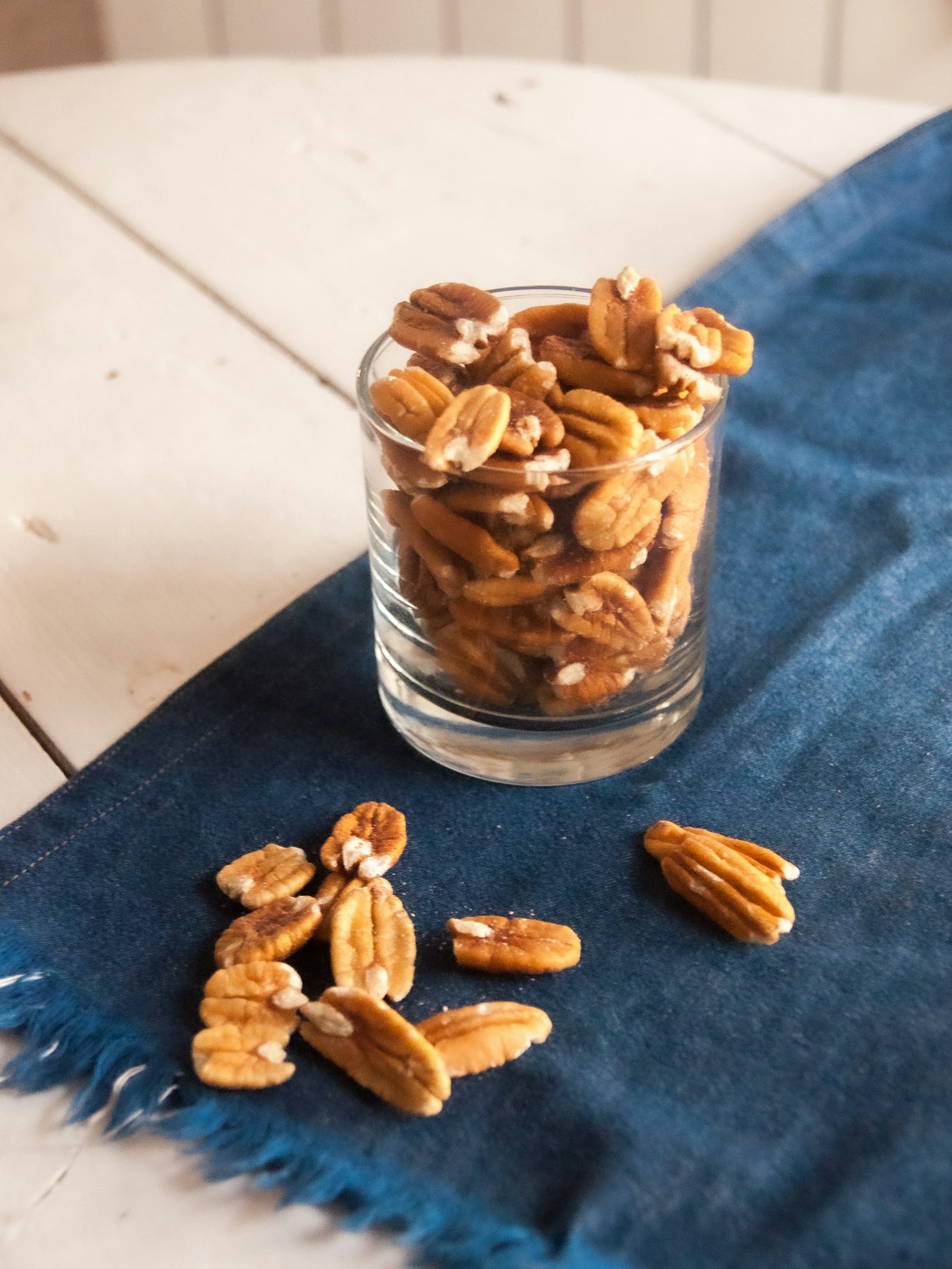
Pecans are gaining attention for one major reason: their antioxidant content.
According to WebMD, “pecans are the only nut on the USDA’s list of top 20 foods highest in dietary antioxidants, coming in 14th place.”
They contain vitamin E, polyphenols, and other plant compounds that help protect cells from free radical damage. Some experts believe these antioxidants may support healthier ageing and better brain resilience over time.
In addition, the monounsaturated fats in pecans may help support circulation and reduce inflammation.
Still, pecans are calorie-dense, so moderation matters. A small handful is usually enough to gain benefits without adding excessive calories.
The Best Way to Eat Nuts for Brain Health
Research suggests that regular consumption of nuts may benefit cognitive function. Image Credit: Pexels
Research does not suggest eating unlimited quantities of nuts. Instead, experts consistently point toward moderate daily portions as the healthiest approach.
The strongest evidence supports around one small handful — roughly 30 grams per day — of mostly plain, unsalted nuts.
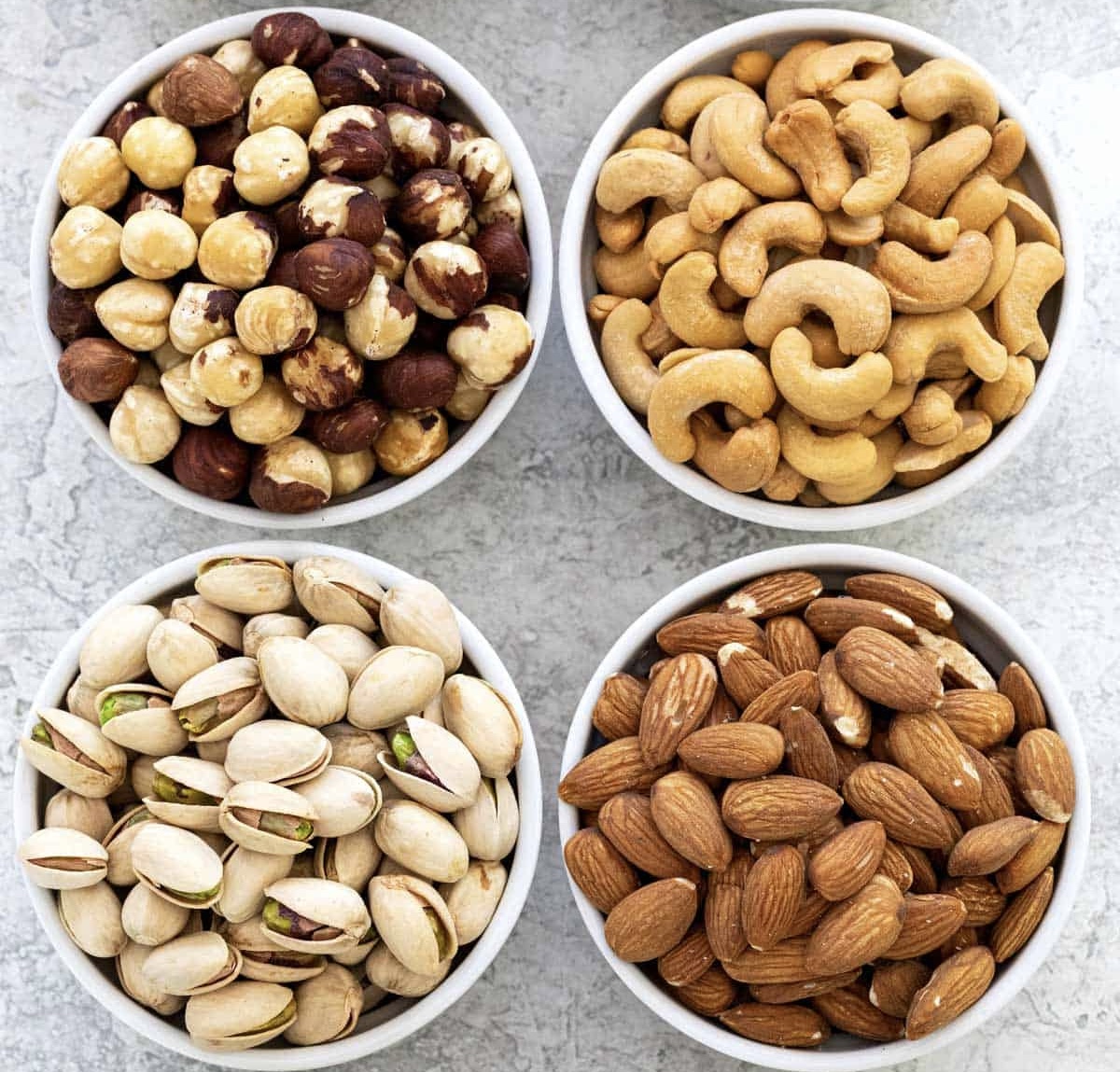
Walnuts, almonds, hazelnuts, and pecans appear to offer some of the most consistent brain-supportive benefits. Meanwhile, it may be wise to limit poorly stored peanuts, heavily salted pistachios, fried cashew mixes, and excessive amounts of Brazil nuts.
Storage also matters more than many people realise. Nuts should be kept in airtight containers away from heat and moisture to reduce the risk of mould growth and rancid oils.
Used wisely, nuts can become one of the simplest long-term habits for supporting brain resilience. But like many foods associated with health, the details — freshness, processing, and portion size — make all the difference.