More recent studies suggest the effects may extend beyond the liver. Researchers now point to the toxins’ “immunosuppressive and neurotoxic potential,” raising concerns about long-term exposure and brain health.
For consumers, freshness matters. Peanuts should always smell clean and dry, never musty or bitter. Products from reputable brands with proper storage and safety testing offer far lower risk than poorly stored bulk peanuts or questionable spreads.
The Hidden Problem With Salted Pistachios
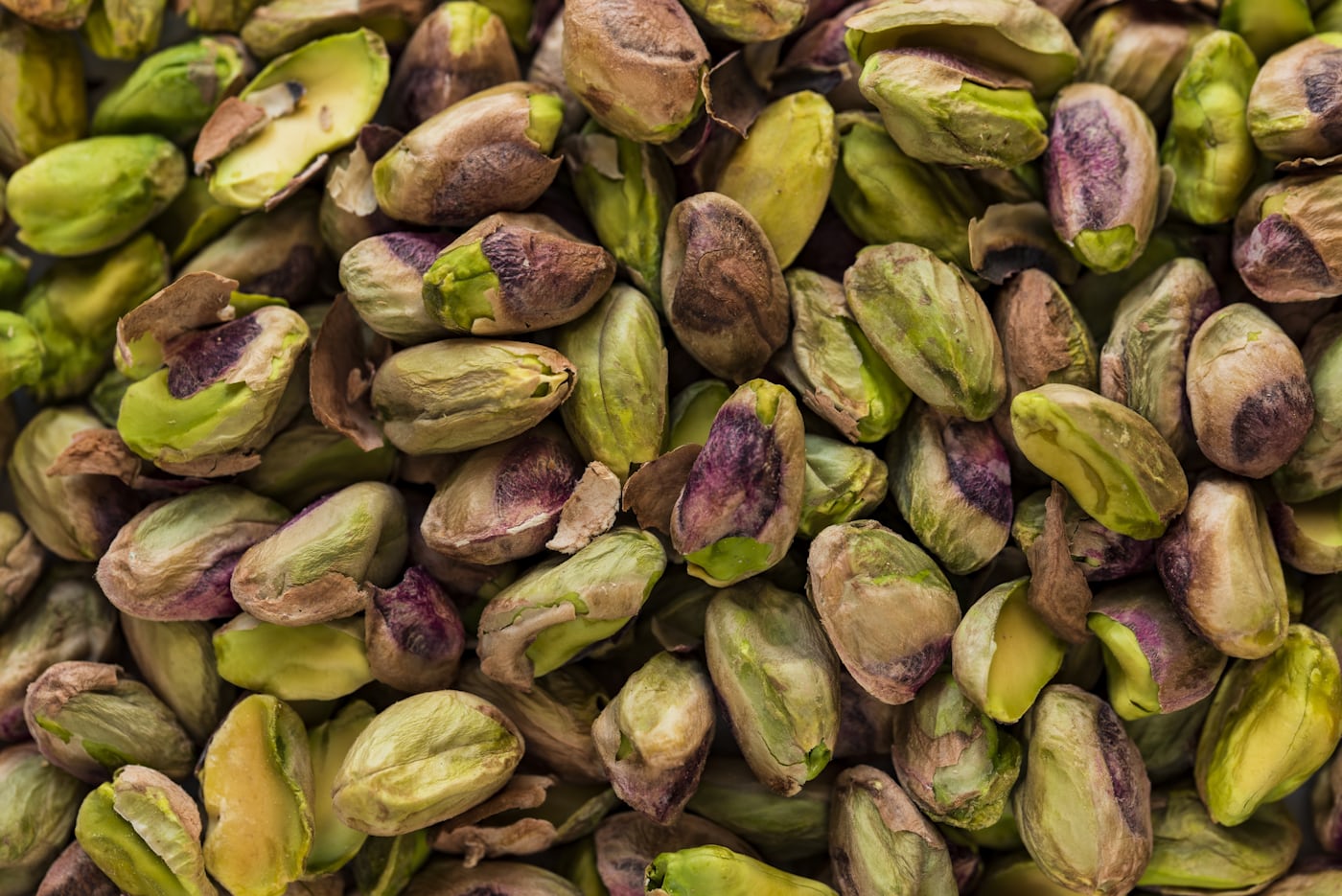
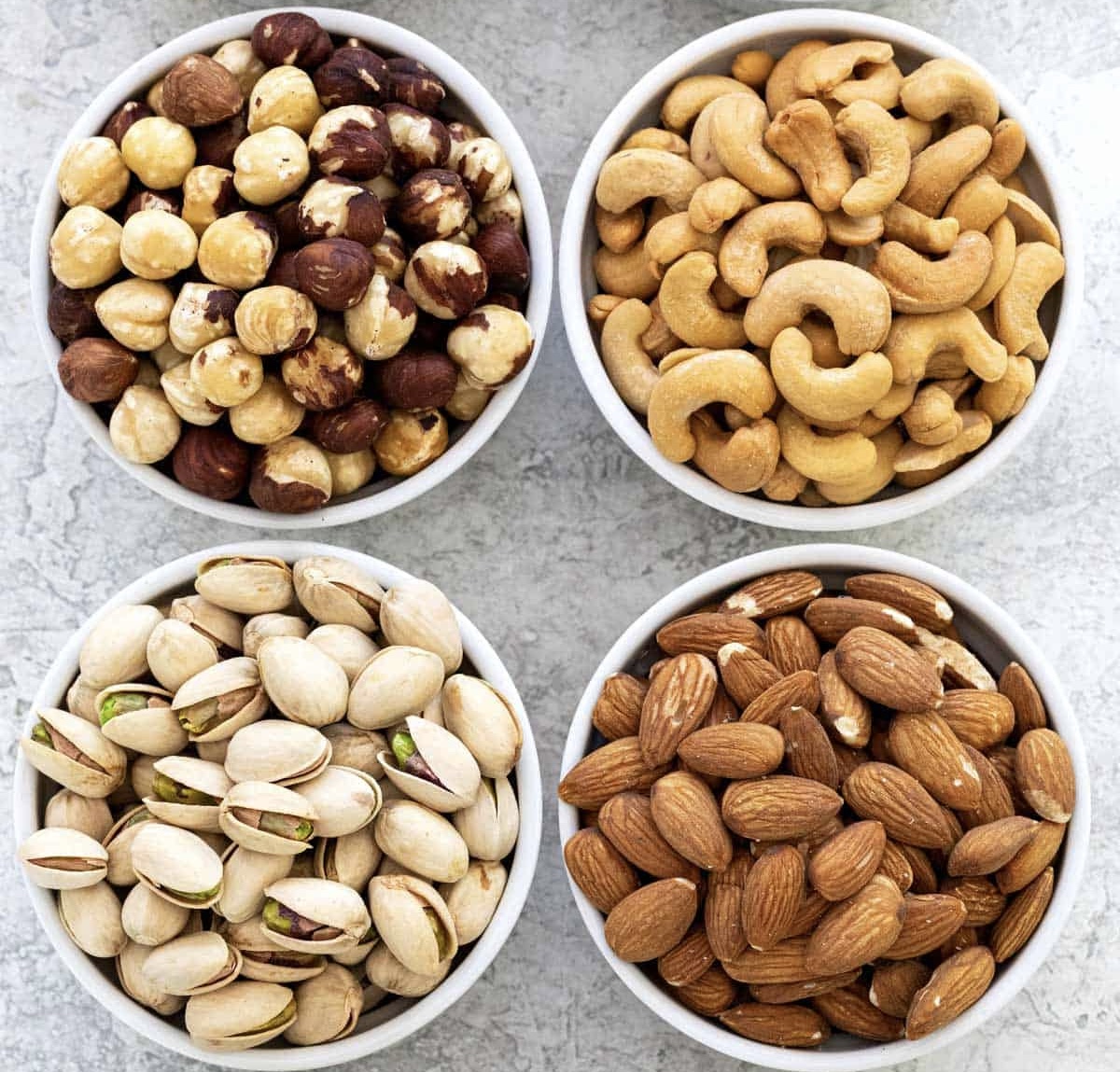
Pistachios themselves can be excellent for overall health. They provide healthy fats, potassium, fibre, and plant nutrients linked to better cardiovascular function.
But the health benefits quickly change when pistachios are heavily salted or coated in flavour powders.
Too much sodium raises blood pressure, and over time, high blood pressure can damage the small blood vessels that nourish the brain. Some clinical studies have shown that pistachios may actually help reduce blood pressure when included in balanced diets. One review reported that “pistachios were reported to reduce systolic blood pressure by 2.89 mmHg.”
The problem is that many commercial pistachio snacks contain enormous amounts of salt and artificial seasoning.
Researchers studying ultra-processed foods have also linked packaged snack-heavy diets with faster mental decline. One long-term Brazilian study found that “higher consumption of ultraprocessed foods was associated with a higher rate of global and executive function decline.”
That does not mean pistachios are unhealthy. It simply means preparation matters. Plain or lightly salted pistachios eaten in moderate amounts are very different from consuming entire bags of heavily seasoned snack versions while sitting in front of a screen.